

RESOURCES
HEALTHY HOMES FIRST RESOURCES
-
![]()
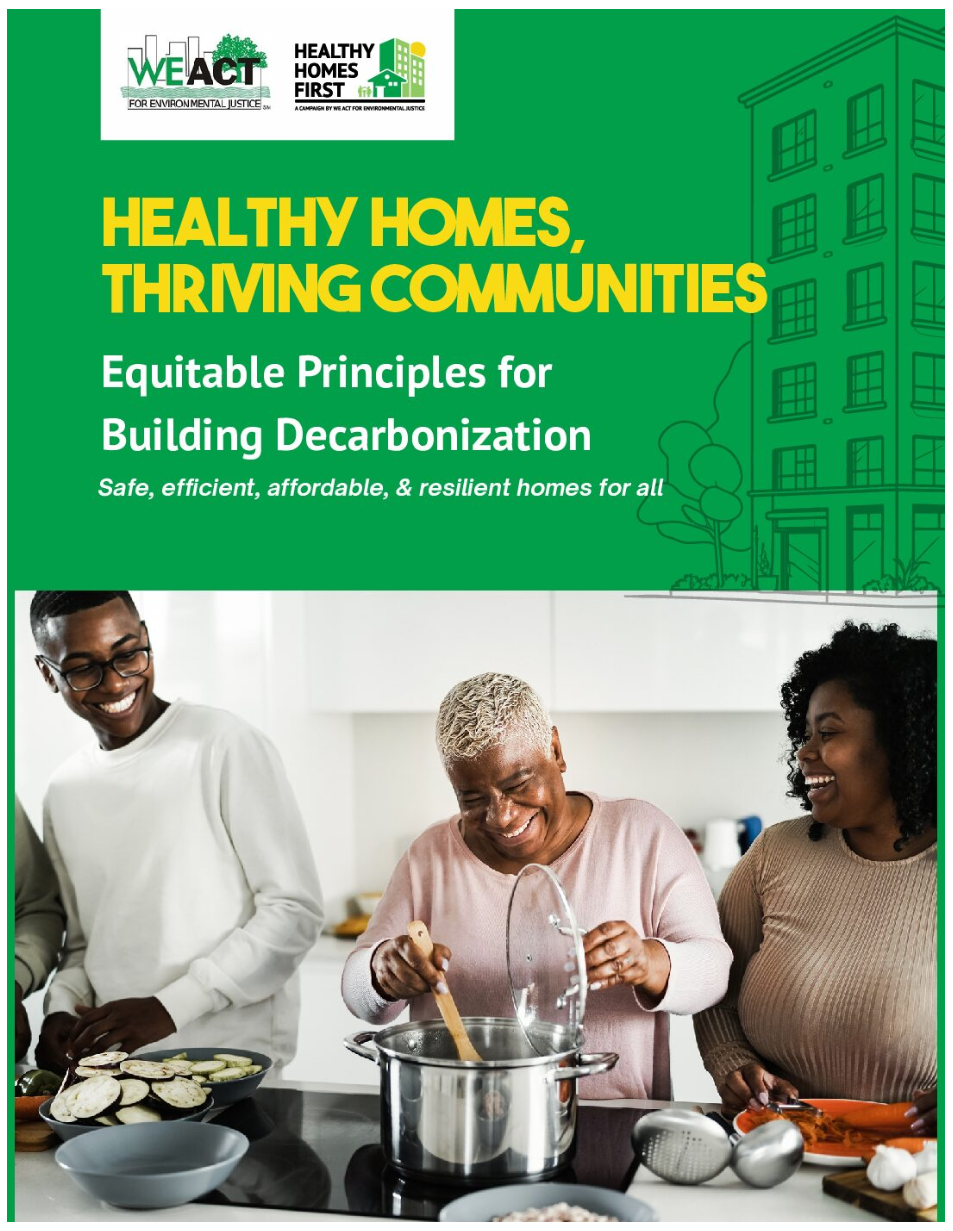
Healthy Homes, Thriving Communities - Principles for Equitable Building Decarbonization
This brief outlines the Healthy Homes First principles, offering guidance for policymakers, program administrators, public housing authorities, property owners and other stakeholders to embed health and equity across decarbonization policies, programs, and practice, delivering durable, transformational benefits for the most impacted communities. It also equips advocates with a practical toolkit to influence policy decisions and ensure community voices shape solutions. By adopting these principles, climate action achieves far more than emissions reduction: it ensures cleaner air, safer and more resilient homes, lower energy burdens, and a healthier, sustainable future for all.This resource was shaped and informed by Action in Montgomery, Deep South Center for Environmental Justice, Green Door Initiative, GreenRoots, Michigan Green Muslims, Midwest Building Decarbonization Coalition, PODER Austin, WE ACT for Environmental Justice, and Wisconsin Green Muslims.
-
![]()
Healthy Homes First - Home Health Hazard & Electrification Polling & Message Testing Key Findings
On behalf of WE ACT, Embold Research surveyed both national voters and low-income voters of color in three key cities (NYC, Chicago, and Houston) to better understand voters current perceptions of the use of oil and gas to heat and power homes, home health hazards like lead and mold, as well as garner a deeper understanding of what motivates voters to support and advocate for a transition to electric energy in public housing.
-
![]()
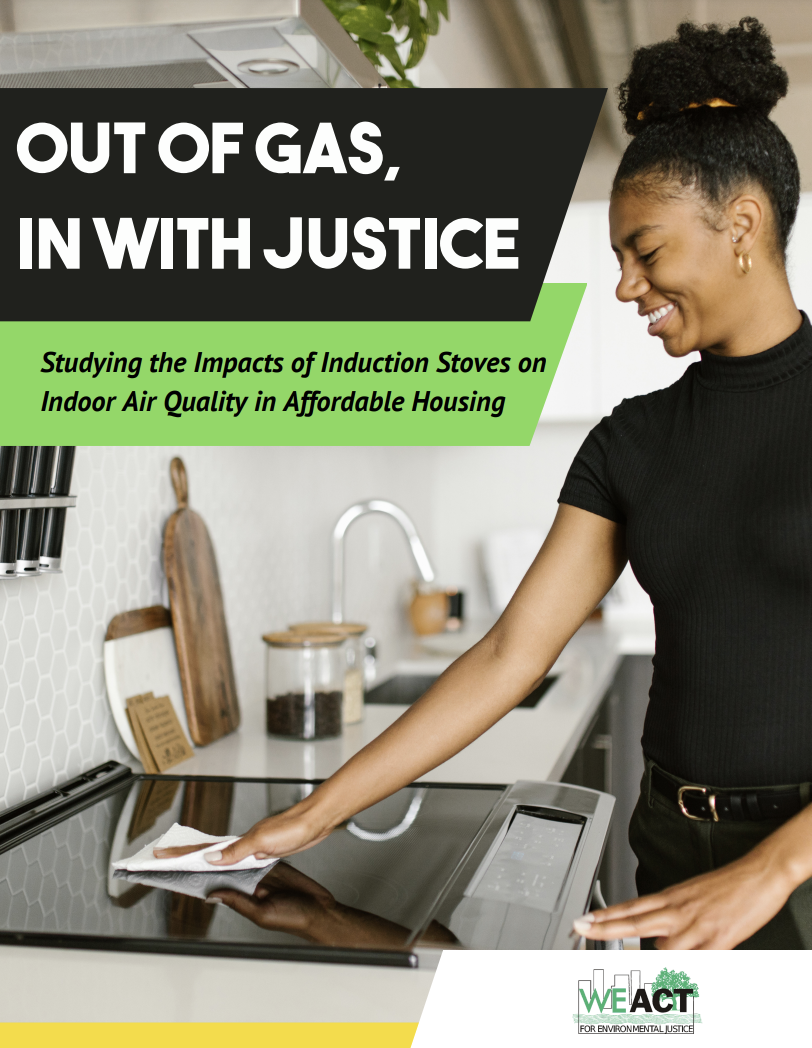
Out of Gas, In with Justice
This pilot program demonstrates the feasibility and benefits of transitioning from fossil fuels to renewable energy in affordable housing by studying the impact on indoor air quality when replacing gas stoves with induction stoves in a NYCHA development in the Bronx.
-
![]()
LIHEAP Policy Brief
Highlights the urgent need to fully fund this energy assistance program to ensure energy-burdened households have access to lifesaving cooling in a warming planet.
-
![]()
National Building Pollution Report
Shows the extent of the harm caused by fossil fuel burning equipment in homes and buildings and the disproportionate impact this pollution has on environmental justice communities and other vulnerable demographic groups.
-
![]()
Petition to the EPA
From 26 health and climate groups calling for health-protective regulations on pollution from household appliances to improve outdoor air quality and protect public health.
-
![]()
Petition to U.S. Department of Housing and Urban Development
Calls on the U.S. Department of Housing and Urban Development (HUD) to reduce these health harms through whole home and electrification upgrades.
-
![]()
WE ACT Report One Pagers + Fact Sheets
Learn more and share fact sheets summarizing findings from our key reports including ‘Out of Gas,’ our National Building Pollution Report, and more.
-
![]()
Healthy Homes First Polling Memo
Memo overview with key findings from 2025 Healthy Homes First polling effort conducted by WE ACT for Environmental Justice and Embold Research.
-
![]()
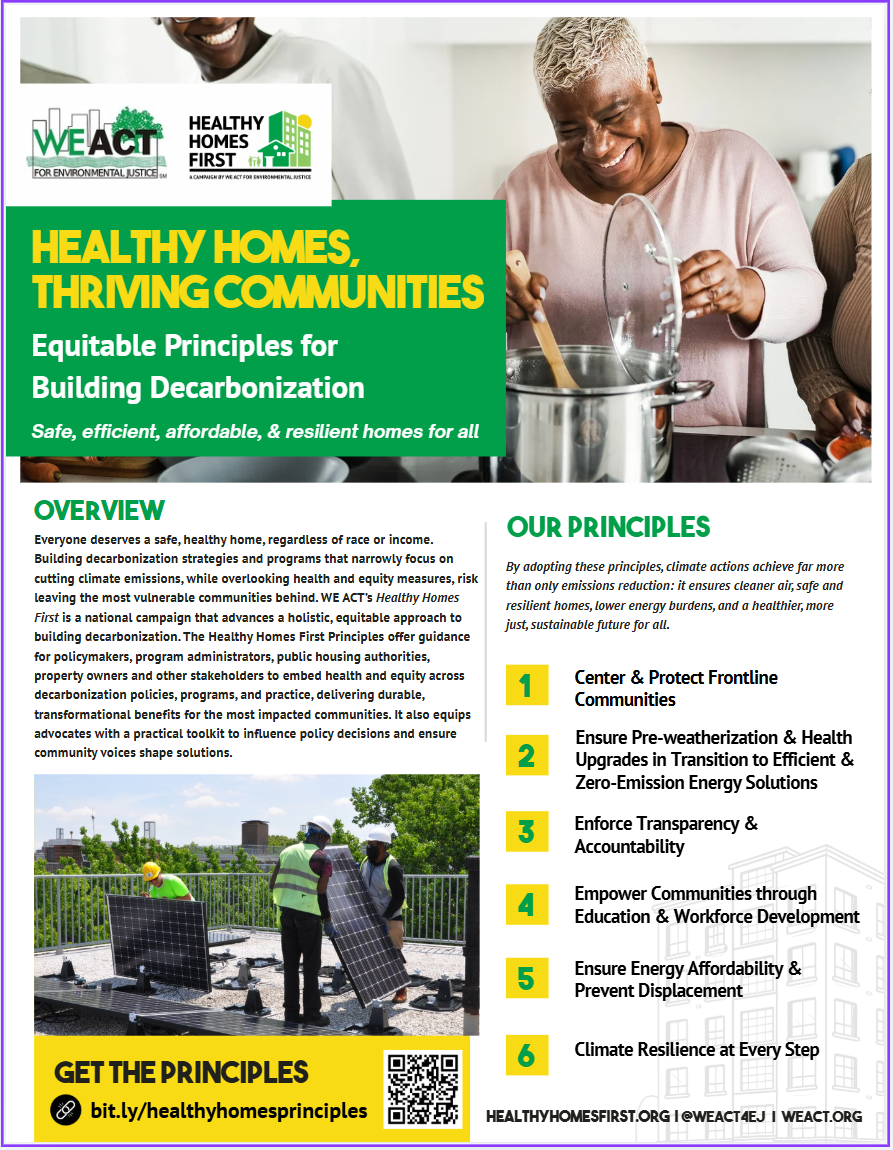
One Pager - Healthy Homes, Thriving Communities - Principles for Equitable Building Decarbonization
Our one pager shares the toplines from our Healthy Homes First Principles, key takeaways and background.
-
![]()
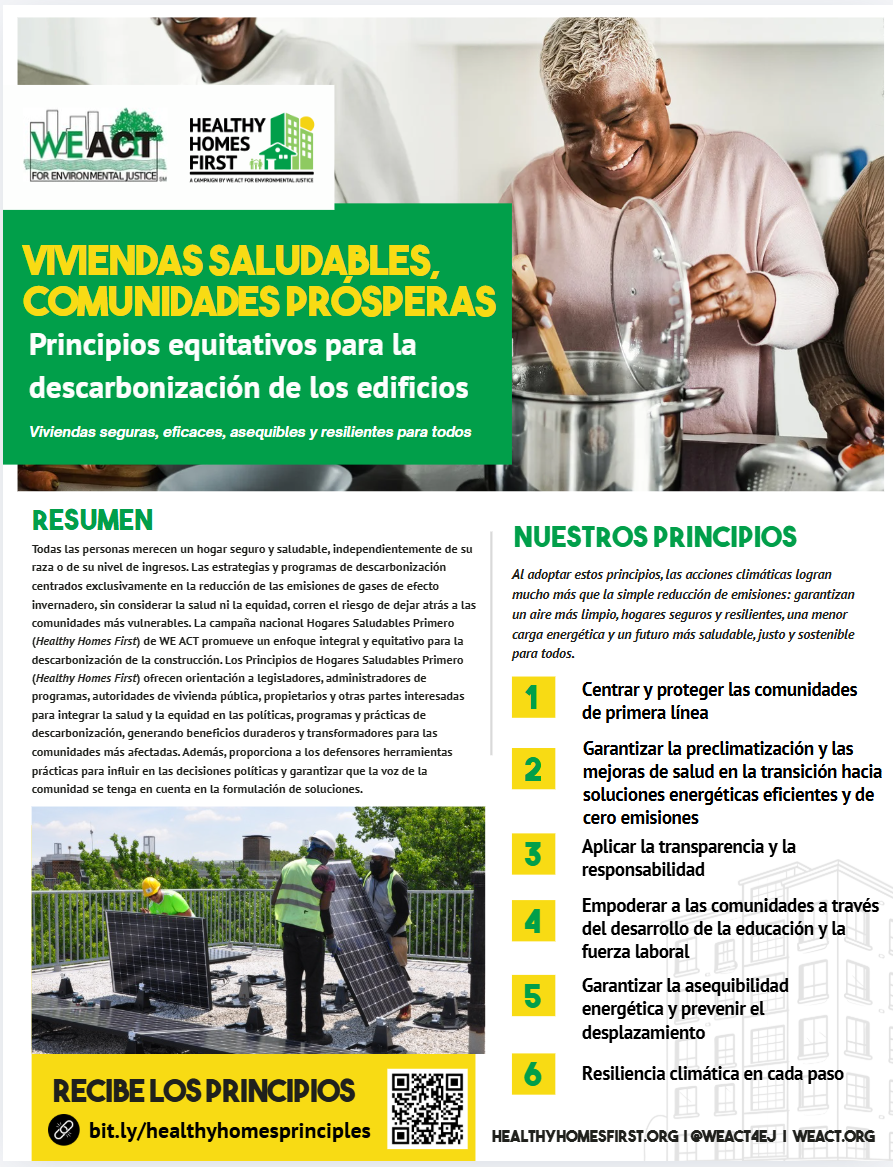
SPANISH - One Pager -VIVIENDAS SALUDABLES, COMUNIDADES PRÓSPERAS
Al adoptar estos principios, las acciones climáticas logran mucho más que la simple reducción de emisiones: garantizan un aire más limpio, hogares seguros y resilientes, una menor carga energética y un futuro más saludable, justo y sostenible para todos.
-
![]()
SPANISH - VIVIENDAS SALUDABLES, COMUNIDADES PRÓSPERAS - Principios equitativos para la descarbonización de los edificios
WE ACT for Environmental Justice convocó a socios estratégicos para aprovechar sus conocimientos y experiencia a fin de elaborar principios equitativos para la descarbonización de los edificios. Este informe detalla los principios de Healthy Homes First y brinda orientación para que los legisladores, los administradores de programas, las autoridades de vivienda pública, los propietarios y otras partes interesadas integren la salud y la equidad en las políticas, programas y prácticas de descarbonización y generen beneficios duraderos y transformadores para las comunidades más afectadas. También les brinda a los defensores un conjunto de herramientas prácticas para influir en las decisiones de política pública y garantizar que las voces de la comunidad den forma a las soluciones. Al adoptar estos principios, la acción climática logra mucho más que la reducción de las emisiones: garantiza un aire más limpio, viviendas más seguras y resilientes, menores cargas de energía y un futuro más saludable y sostenible para todas las personas.





PARTNER RESOURCES
-
![]()
The Value of Prioritizing Equitable, Efficient Building Electrification
Report by ACEEE finds prioritizing equitable building electrification ensures that historically disinvested communities will not be left behind in the energy transition.
-
![]()
Equitable Building Decarbonization Across the Country
Expert blog by NRDC details the growing momentum on equitable decarbonization in the buildings sector in 2022, at the local, state, and federal levels.
-
![]()
The Cutting through the Smog Report
by Green & Healthy Homes Initiative, CASA, CCAN and RMI details how Maryland can address the disproportionate burden of air pollution on Baltimore residents by reducing building equipment pollution.
-
![]()
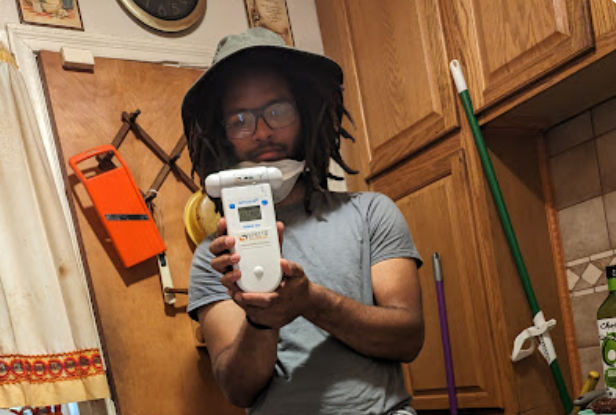
Cooking Up Danger
AIM, Washington Interfaith Network, Interfaith Power and Light, and Sierra Club share community study revealing hazardous nitrogen dioxide levels in DC and Maryland kitchens.
-
![]()
Home Electrification and Weatherization in Wisconsin
In 2022, Wisconsin published its “Clean Energy Plan”, detailing pathways for the state to move to a more just, equitable energy future.
-
![]()
Majority of World’s Inhabitants Are Exposed to Polluted Air
Air Pollution Disproportionately Affects Underdeveloped Nations and People of Color.
-
![]()
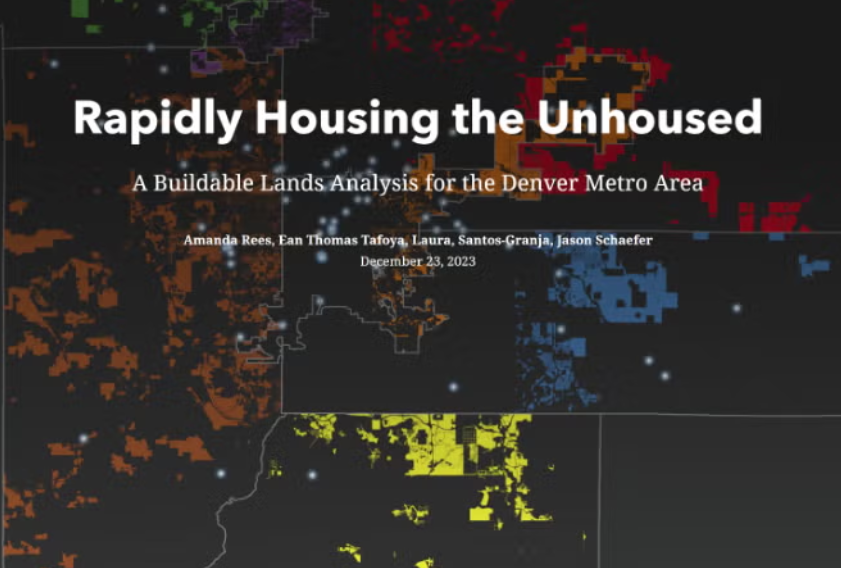
Buildable Land Analysis - Building Healthy Housing in Metro Denver
Most Buildable Lands studies are aimed at understanding housing stock and land use underutilization, which is defined as parcels of land that have a greater capacity for development within the current land use code.In other words, a parcel is underutilized if it currently includes a single-family residence but is zoned for multi-family mixed use. The goal of our Buildable Lands study is to determine underutilized parcels, but in terms of healthy housing for the unhoused instead of housing density.
-
![]()
People's Docket: Public Input on Petition to Electrify Public Housing
In October 2022, the Public Health Law Center (PHLC), along with a coalition of healthy housing advocates, submitted a petition for rulemaking asking HUD to institutionalize regulatory changes in support of safe, climate-resilient public housing. With the health of residents at stake, HUD cannot afford additional delay. We are now moving forward with the People's Docket: Public Input on Petition to Electrify Public Housing to gather your comments and thoughts on this critical issue.
-
![]()
A Decade of Beneficial Electrification
The Beneficial Electrification League commissioned The Brattle Group to look back over the past ten years and assess the extent to which electrification has delivered in four areas: cost savings, product quality and consumer experience, grid resilience, and emissions reductions. This report summarizes our findings.




FEDERAL POLICY UPDATES
-
March 2025: Sen. Markey, Rep. Ansari Introduce Legislation to Help Families Pay their Heating and Cooling Bills
-
April 2025: Mass Staff Firing of Heating Cooling Relief Program Leaves Vulnerable Communities Without Essential Assistance
-
July 2024: EPA Announces Nearly $20 Million in Environmental and Climate Justice Community Change Grants for Tribes in the Midwest